












Tower Bridge and River Thames
Aerial view of Tower Bridge, one of London's most famous bridges
Tower Bridge. With its stunning Gothic architecture, vibrant blue and white colour scheme, and fascinating history, Tower Bridge is much more than just a way to cross the River Thames; it’s an emblem of London’s rich past and a must-see for anyone visiting the city.
Before we delve into what makes Tower Bridge so special, let’s take a moment to appreciate its history. Completed in 1894, Tower Bridge was designed to address the growing transportation needs of London, which was rapidly expanding during the Victorian era. The city’s population boomed, and with that came the need for more efficient ways to cross the Thames. The bridge was conceived by Sir Horace Jones, the city’s surveyor, and it was built to complement the nearby Tower of London, hence the name.
The ingenious design of Tower Bridge features two imposing towers connected by walkways, allowing pedestrians to cross while the bridge itself can be lifted to let ships pass underneath. This bascule (or drawbridge) design was revolutionary at the time and has made Tower Bridge a favourite among both engineering enthusiasts and casual tourists.
One of the first things you’ll notice about Tower Bridge is its stunning architecture. The bridge is often mistaken for London Bridge, which is actually a much more understated structure. Tower Bridge, on the other hand, is a feast for the eyes. Its Victorian Gothic style, complete with intricate details and striking blue and white colors, creates a picturesque scene against the backdrop of the Thames.
As you walk across the bridge, take a moment to look up at the soaring towers, each standing 65 meters tall. The towers are made of steel and clad in Cornish granite, giving them a robust yet elegant appearance. The iconic bascules, which can be raised to allow larger vessels to pass, are a testament to the engineering prowess of the time. In fact, the bridge was built using over 11,000 tons of steel and 70,000 cubic meters of concrete—now that’s some heavy-duty construction.
Walking across Tower Bridge is an experience in itself. As you stroll along the pedestrian walkways, you’ll be treated to breathtaking views of the River Thames and the surrounding cityscape. On a clear day, you can see as far as the Shard and the London Eye, making it the perfect spot for a few selfies.
If you’re feeling adventurous, you can head up to the glass-floored walkways located high above the river. This unique perspective allows you to see the boats and barges passing underneath, and it’s sure to give you a bit of a thrill. Just be prepared for some vertigo if heights aren’t your thing.
Tower Bridge isn’t just a pretty face; it’s also home to a fascinating exhibition that delves into its history and engineering. The Tower Bridge Exhibition allows visitors to explore the Victorian engine rooms, where you can see the original steam engines that powered the bridge’s bascules. It’s a fascinating glimpse into the past and a great way to appreciate the ingenuity that went into creating this iconic structure.
The exhibition also features interactive displays, historical photographs, and even stories from the bridge’s construction workers. It’s a great way to spend a couple of hours, especially if you’re a history buff or an engineering enthusiast.
Before we delve into what makes Tower Bridge so special, let’s take a moment to appreciate its history. Completed in 1894, Tower Bridge was designed to address the growing transportation needs of London, which was rapidly expanding during the Victorian era. The city’s population boomed, and with that came the need for more efficient ways to cross the Thames. The bridge was conceived by Sir Horace Jones, the city’s surveyor, and it was built to complement the nearby Tower of London, hence the name.
The ingenious design of Tower Bridge features two imposing towers connected by walkways, allowing pedestrians to cross while the bridge itself can be lifted to let ships pass underneath. This bascule (or drawbridge) design was revolutionary at the time and has made Tower Bridge a favourite among both engineering enthusiasts and casual tourists.
One of the first things you’ll notice about Tower Bridge is its stunning architecture. The bridge is often mistaken for London Bridge, which is actually a much more understated structure. Tower Bridge, on the other hand, is a feast for the eyes. Its Victorian Gothic style, complete with intricate details and striking blue and white colors, creates a picturesque scene against the backdrop of the Thames.
As you walk across the bridge, take a moment to look up at the soaring towers, each standing 65 meters tall. The towers are made of steel and clad in Cornish granite, giving them a robust yet elegant appearance. The iconic bascules, which can be raised to allow larger vessels to pass, are a testament to the engineering prowess of the time. In fact, the bridge was built using over 11,000 tons of steel and 70,000 cubic meters of concrete—now that’s some heavy-duty construction.
Walking across Tower Bridge is an experience in itself. As you stroll along the pedestrian walkways, you’ll be treated to breathtaking views of the River Thames and the surrounding cityscape. On a clear day, you can see as far as the Shard and the London Eye, making it the perfect spot for a few selfies.
If you’re feeling adventurous, you can head up to the glass-floored walkways located high above the river. This unique perspective allows you to see the boats and barges passing underneath, and it’s sure to give you a bit of a thrill. Just be prepared for some vertigo if heights aren’t your thing.
Tower Bridge isn’t just a pretty face; it’s also home to a fascinating exhibition that delves into its history and engineering. The Tower Bridge Exhibition allows visitors to explore the Victorian engine rooms, where you can see the original steam engines that powered the bridge’s bascules. It’s a fascinating glimpse into the past and a great way to appreciate the ingenuity that went into creating this iconic structure.
The exhibition also features interactive displays, historical photographs, and even stories from the bridge’s construction workers. It’s a great way to spend a couple of hours, especially if you’re a history buff or an engineering enthusiast.
Tower Bridge at Night
While Tower Bridge is stunning during the day, it takes on a whole new charm at night. When the sun sets, the bridge is illuminated by strategically placed lights, creating a magical atmosphere. The reflection of the bridge on the Thames is a sight to behold, making it an ideal spot for a romantic evening stroll or a picturesque photo opportunity.
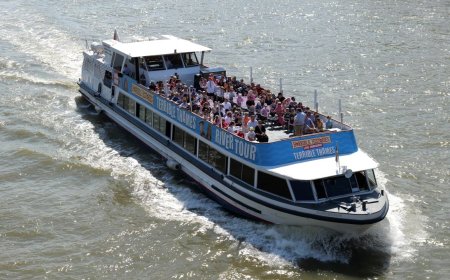
For a truly unforgettable experience, consider taking a night cruise along the Thames. You’ll get to experience the beauty of Tower Bridge from the water, and the ambiance is simply enchanting. Just imagine gliding past the illuminated towers, with the city lights twinkling in the background—it’s a memory you won’t soon forget.
Accessibility and Location
Getting to Tower Bridge is a breeze, as it’s well-connected to public transport. The nearest tube stations are Tower Hill and London Bridge, both of which are just a short walk away. If you’re feeling adventurous, you can even hop on a bus or take a riverboat to get there. And let’s not forget about the numerous cafes and pubs in the area, where you can grab a bite to eat or a refreshing drink after your visit.
Tower Bridge is more than just an architectural marvel; it’s a symbol of London’s resilience, innovation, and charm. Whether you’re walking across its iconic walkways, exploring the fascinating exhibition, or simply enjoying the view, it’s an experience that captures the essence of what makes London such a vibrant city.
So, the next time you find yourself in London, make sure to set aside some time to visit Tower Bridge. It’s a timeless landmark that continues to inspire awe and admiration, reminding us of the incredible achievements of human ingenuity.