
Canary Wharf
Situated along the River Thames in East London, Canary Wharf stands as a testament to the city's indomitable spirit of innovation and resilience. Once a hub of shipping and trade, this dynamic district has transformed into one of the world’s leading financial centers. But beyond its skyscrapers and bustling offices lies a rich tapestry of history, culture, and attractions that beckon to be explored. Join us as we embark on an inspirational journey through the heart of Canary Wharf, where the past and present intertwine to create a vibrant urban landscape.
Canary Wharf's history is steeped in maritime significance. In the late 19th century, it was developed as a dockland, primarily for the import of goods such as timber and sugar. The area was named after the Canary Islands, as many of the imported goods came from this archipelago. During the Second World War, the docks played a crucial role as a strategic point for shipping supplies.
However, the decline of the shipping industry in the late 20th century saw Canary Wharf fall into disrepair. Abandoned warehouses and empty docks were a stark reminder of the area’s once-thriving economy. The turning point came in the early 1980s when the decision was made to regenerate the area into a financial district. This ambitious project transformed Canary Wharf into the vibrant hub we know today, marked by iconic skyscrapers and a diverse array of businesses.
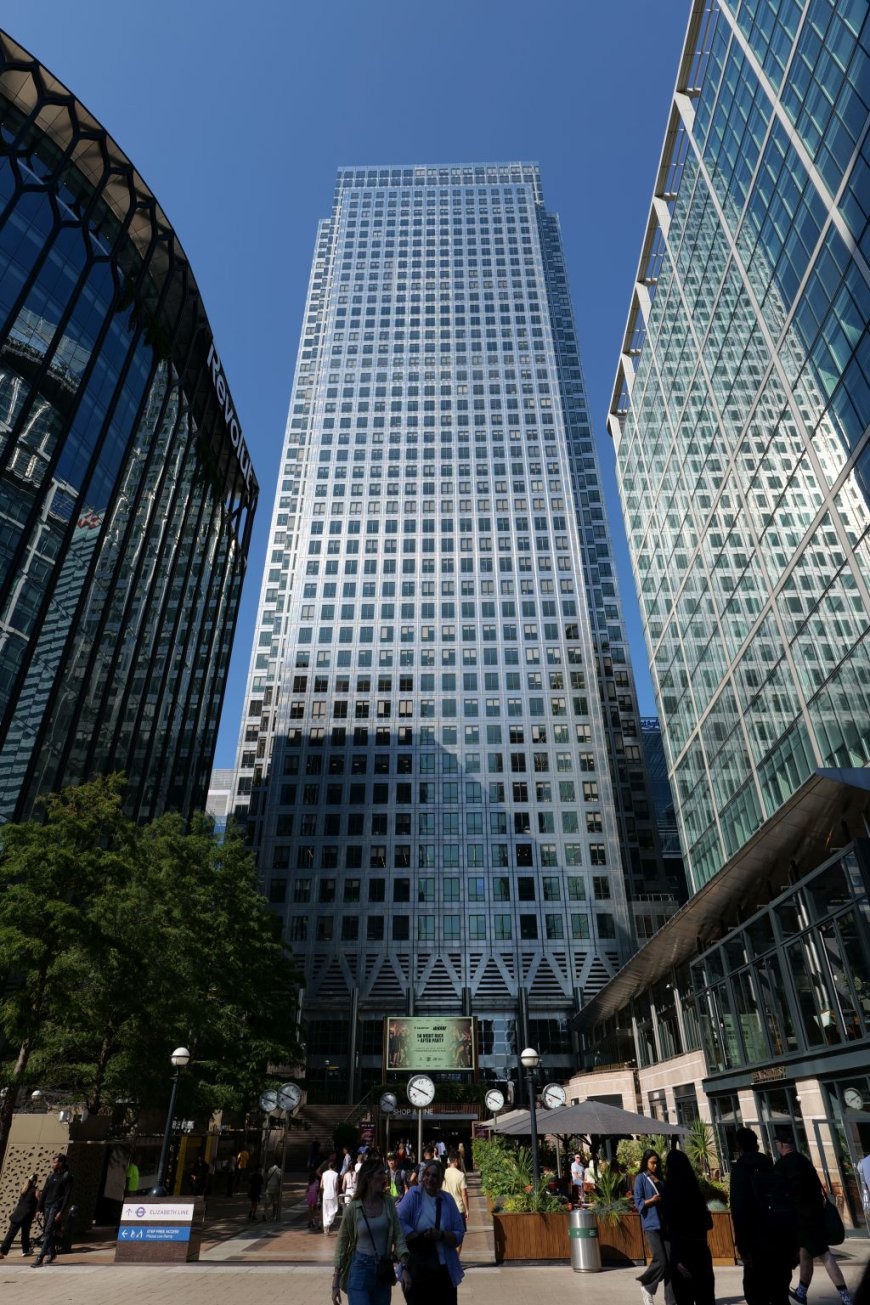
Canary Wharf’s skyline is dominated by remarkable architectural feats that reflect both modernity and sustainability. The tallest building, One Canada Square, stands at 800 feet and is an iconic symbol of London's financial prowess. Designed by renowned architect Cesar Pelli, this skyscraper is a marvel of engineering, housing offices for major corporations.
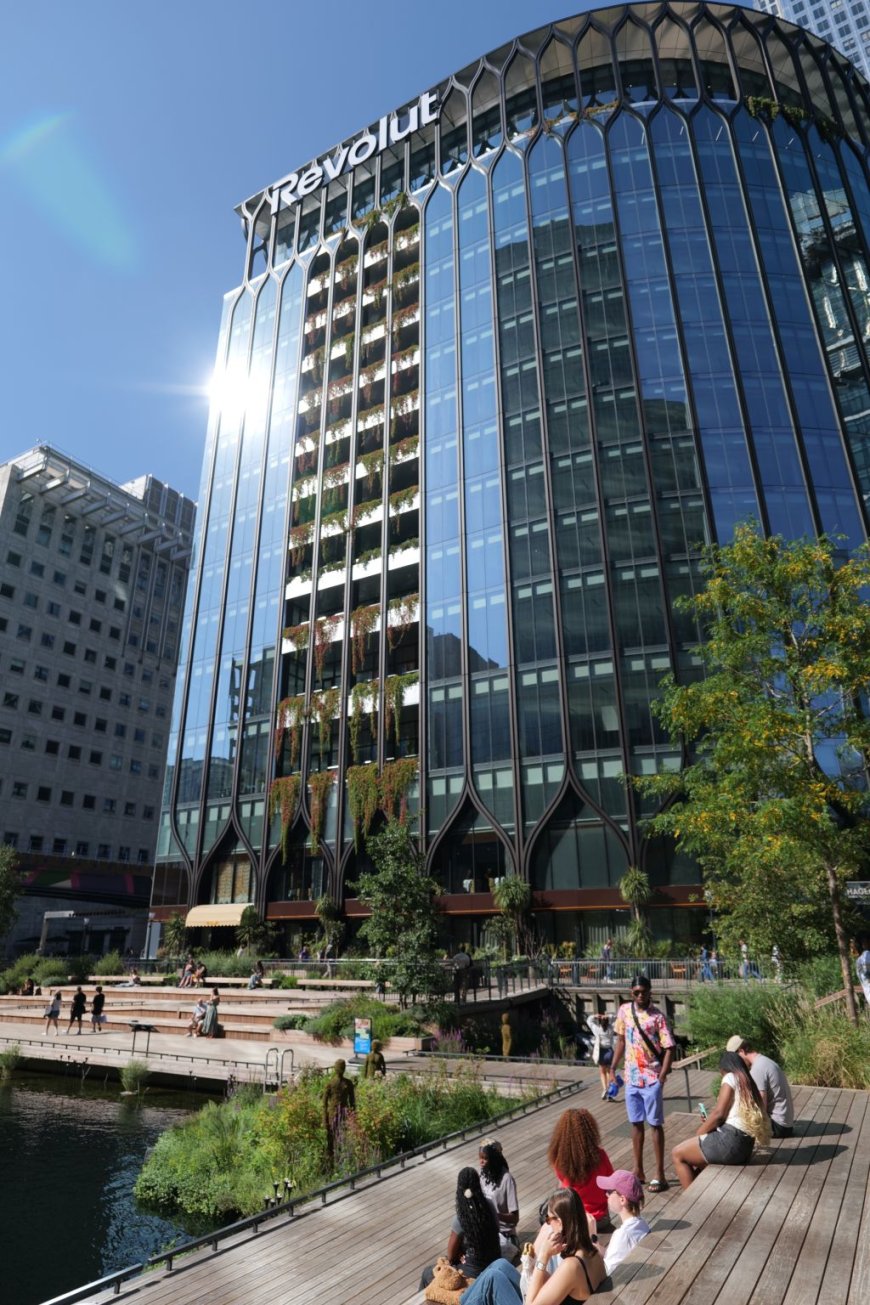
Strolling around the district, you’ll encounter a harmonious blend of glass, steel, and innovative designs that showcase both functionality and aesthetic appeal. The surrounding buildings, such as the HSBC Headquarters and Citigroup Centre, contribute to an impressive skyline that glimmers against the backdrop of the River Thames.
In contrast to its towering structures, Canary Wharf is also home to an abundance of green spaces that offer a respite from the urban hustle. The Jubilee Park, with its beautifully landscaped gardens, water features, and seating areas, invites visitors to relax and recharge. This urban oasis is perfect for a leisurely picnic, a morning jog, or simply unwinding with a book in hand.
Moreover, the area is adorned with public art installations that add a touch of creativity to the urban landscape. The renowned “The Big Blue” sculpture by artist David Mach and the stunning “Blooming” installation by designer Ben Long are just a few examples of how art is integrated into the fabric of Canary Wharf, enhancing the experience for both residents and visitors alike.
Canary Wharf is not just about business; it’s also a culinary and retail paradise. The Canary Wharf Shopping Centre boasts over 300 shops, restaurants, and cafes, offering everything from high-end fashion to local delicacies. Whether you’re in the mood for a quick coffee at a trendy café or a leisurely meal at a Michelin-starred restaurant, the dining scene here caters to every palate.
For those who appreciate a vibrant atmosphere, the weekly food market is a must-visit. Held every Thursday, it features an array of food stalls offering international cuisine, handmade pastries, and fresh produce. It’s an opportunity to savor diverse flavors while immersing yourself in the local community.
Canary Wharf is also home to a burgeoning cultural scene that celebrates creativity and innovation. The Museum of London Docklands, housed in a former warehouse, offers a fascinating insight into the history of the River Thames and its impact on London’s development. Through engaging exhibitions and interactive displays, visitors can delve into the maritime heritage and the evolution of the docks.
Another cultural gem is the Crossrail Place Roof Garden. This stunning green space, located above the newly constructed Crossrail station, features exotic plants and trees from around the world. It serves as a tranquil retreat, where visitors can enjoy live performances, art installations, and seasonal events throughout the year.
As Canary Wharf continues to evolve, it remains committed to sustainability and innovation. The district is at the forefront of green building practices, with numerous developments designed to minimize environmental impact. Future projects, such as the expansion of residential spaces and the integration of smart technology, aim to create a balanced and inclusive community where people can live, work, and thrive.
Canary Wharf is more than just a financial district; it embodies the spirit of London—a city that is ever-evolving, resilient, and full of life. From its historical roots as a bustling dockland to its current status as a global hub of commerce and culture, Canary Wharf inspires all those who visit.
Whether you’re drawn by its architectural wonders, thriving culture, or inviting green spaces, this remarkable district offers something for everyone. So, take a moment to immerse yourself in its vibrant atmosphere, explore its hidden gems, and embrace the story of transformation that Canary Wharf has to tell. In doing so, you’ll find not just a place to visit, but a source of inspiration for your own journey through life.
___________________________________________________________________________________
Sponsored
The best of Britain
Discover over 500 top attractions, experiences and activities across more than 300 destinations in Britain.